

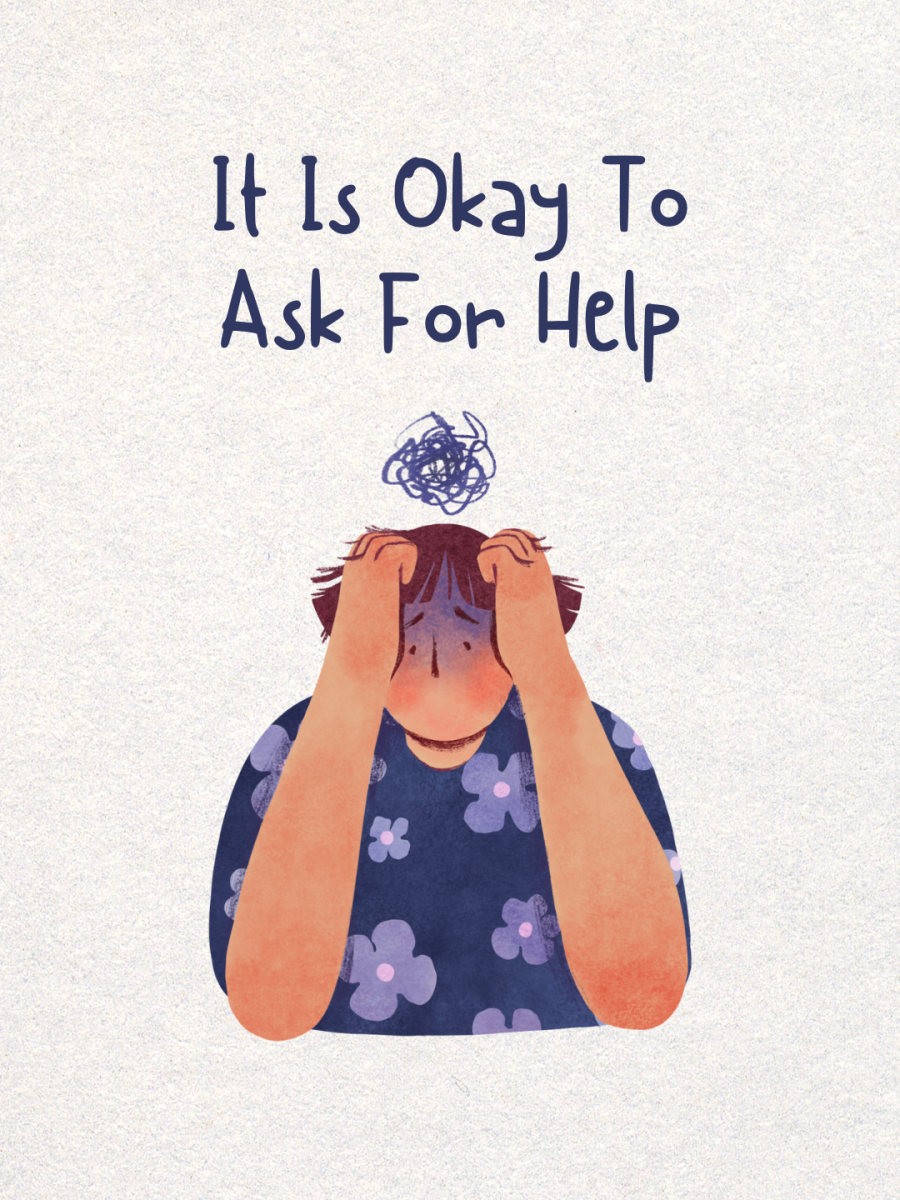
CEO’s, teachers, students, doctors, athletes, cashiers, musicians, mothers, fathers, daughters, sons. These people all have one thing in common: they have all experienced anxiety.
Everyone has felt worried or anxious about something in their life that they either can or cannot control.
Research has demonstrated that such a performance, test, or event can make your brain think of the worst-case scenario, leading to ‘overthinking’. Some main reasons could also include the following: social media, isolation, environment, or even genetics.
“As a student-athlete, stress and anxiety usually distract me before the event, game, or test I complete,” said sophomore student-athlete Grace Hill, “However, the stress and anxiety fade away.”
Oakmont School Counselor Mrs. Amy Dubovick explained that the tension and pressure that builds up to the moments leading to a performance or event can make us overthink, but at points can help us become more engaged or focused with whatever we are doing. This can be a positive, as we tend to sometimes become distracted, causing the stress to become secondary.
Anxiety is tied to your brain chemistry. Dubovick shared that when feeling worried, a system sends messages to your brain, which may drift away, but can disrupt your mood, focus, or even your ability to do activities.
“When the anxiety creeps up, it impacts the frontal lobe of your brain, which is where executive function occurs. This keeps us from continuing daily tasks,” said Dubovick.
“I get nervous and start overthinking everything,” said Hill. Research has shown that this causes the way we react to the feeling of stress or being overwhelmed. Our brain sends messages throughout the body, which may lead us to a specific response.
“It is your body’s response to stress, whether it’s a bear running at you or a test, leading to a fight, flight, or freeze,” said Dubovick.
For example, some well-known factors of anxiety consist of the following: fidgeting, upset stomachs, legs and hands shaking, heart pumping, or even sweating.
Although anxiety can look different for everyone, especially between children, teenagers, and adults.
“There are so many things that happen as a teenager, that as an adult you can kind of weave out to make your life a little easier,”said Oakmont Health and Psychology teacher Mrs. Jennifer Groncki. “I think that as a teenager, there’s so much more on your plate, you’re thinking about your future or what you want to do, you’re on top of that. You’ve got stresses in school like social dynamics and academic problems.”
The reason people act differently is their natural disposition, which is someone’s inheritance, mood, or tendency. This is the exact reason why people act or respond to things differently. Some people may have a more relaxed approach, while others may tend to worry more about things.
“The pressure of performing well for your team to be successful, and the pressure of being academically successful, can sometimes be a lot,” said Hill. “I know that all of my teammates are also feeling these pressures, and it makes the stress go away a little, because I know I’m not alone in this feeling.”
Research from the National Institute of Mental Health has shown how normal anxiety is. Speaking on the topic of Generalized Anxiety Disorder, the article states, “Life can be stressful—a person may feel stressed about a demanding job, a performance at school, or a life change. Everyone feels stress from time to time.”
People have made it known that it’s okay to feel more about something special or meaningful to you. It’s a natural reaction to feel these things and have anxiety about them in your life.
“When [anxiety] is unable to be managed, it is not good, but if you have a little level of anxiety in your life, it does help you to stay on top of your schoolwork, doing a little bit better, or giving it your all, can be beneficial,” said Groncki.
If you can’t control the anxiety, it can take over your life and the lives of the people you are closest to. But if it does take over your interests or hobbies, it’s important that we realize it is happening and get the help that we may need.
“Usually, when I am anxious or stressed, I try to take a step back and separate everything that I need to do,” said Hill.
It’s important to remember and realize that anxiety is normal and it isn’t something to be ashamed of. Oftentimes, when people feel stressed or anxious, they seem to look at everything like a big mess, but it’s also important to look at ‘the bigger picture’ and understand what the main priorities are in that moment or in general.
Anxiety can take over anything, but it shouldn’t have to. So, it’s important that we learn how to deal with it.
“I think talking to a counselor, or a trusted adult like a parent so they can help you. I also think that doing practices like meditation can help you calm down and bring your focus to what is good,” said Groncki.
Family, friends, or trusted adults, such as counselors, can help you manage anxiety or guide you through life.
“As athletes, we all go through the pressures of school and sports, and we couldn’t do it alone. So, that’s why we have each other,” said Hill, “They know that not every day is going to be stellar, and that’s okay.”