


In 2025, advancements in the fields of artificial intelligence and supercomputing are growing increasingly significant. Take, for example, the AI video of Will Smith. In 2022, an AI-generated video of him eating pasta had gone viral. Despite the choppy video quality and constant distortion, many were surprised that an AI could produce its own video. In 2025, a video of Will Smith eating spaghetti might not be mistaken for AI by an unsuspecting viewer – the video quality is significantly smoother.
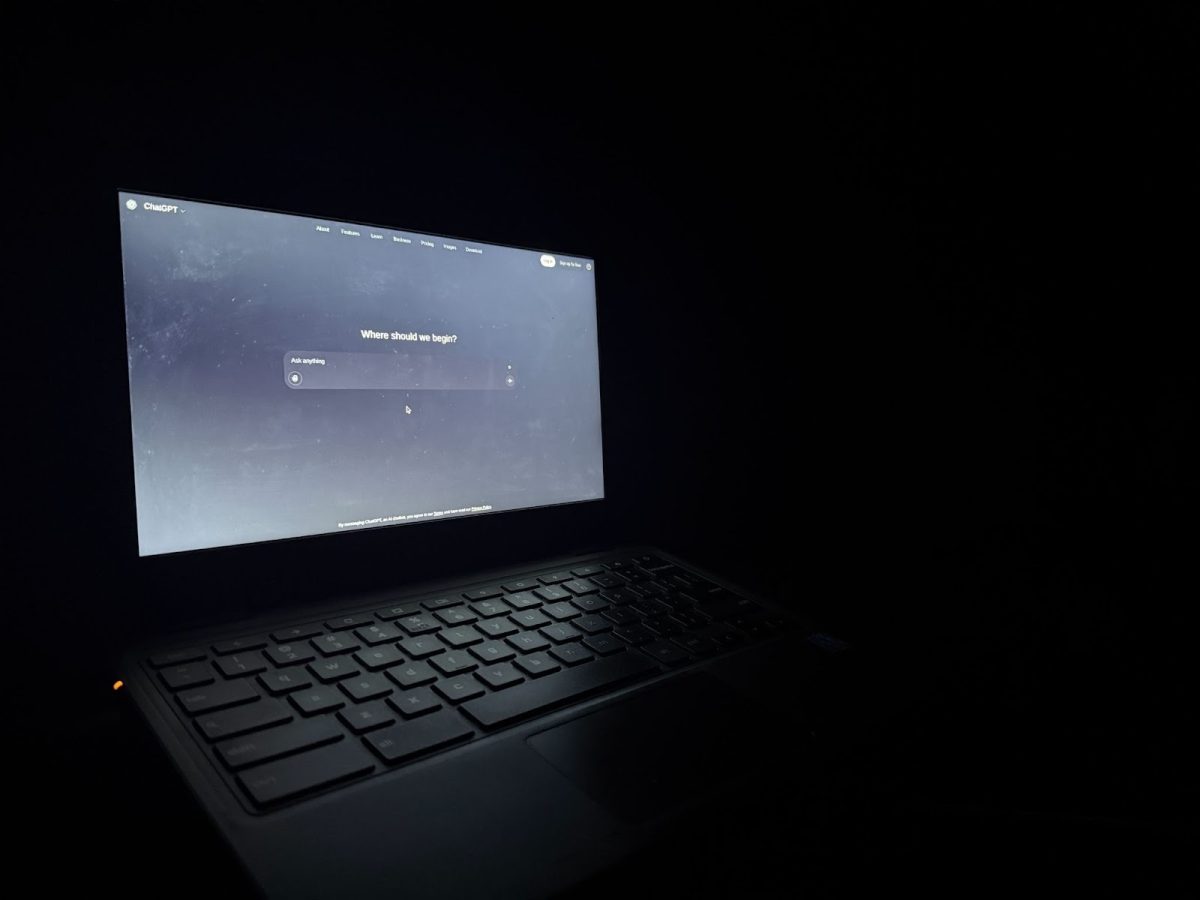
Moving on, let’s keep Will Smith and his wife’s names out of our mouths. What about the issue with AI cheating? Services like Chat GPT-5 are free to use. For the past few years, it has become increasingly prevalent for students to use AI to write essays, complete assignments in moments, and obtain any answer they seek.
On the local level, AI can affect the academics at Oakmont. According to a small SNO poll conducted on students who visited the Oakmonitor website, 45% of students said they would use AI. Of that percentage, 30% said they would on occasion, compared to the 15% who said they would use AI for their work, given the chance to. While 11 in 20 students would not use AI, according to the survey, the 9 who would use it on various levels could be more likely to become reliant on AI.
Like many other schools, students using AI at work has been a concern for teachers in recent years. I, among many others, have seen what happens to classwork when teachers catch on to AI use. An article from First Things describes the usage of AI to be closer to a bad habit. Those who choose not to cheat may feel disadvantaged or left out of a widespread trend. Those who do cheat likely feel tempted to, on the premise that they could “get away with it”.
Though it could be more important to look at not what AI can do by itself, but what it can do in the wrong hands.
Going beyond the local level, according to an article published by NBC News, AI-generated images are becoming as common as conventionally photoshopped pictures. Not long before the spring of 2023, AI image generation was hardly a concern. With the advancement of artificial image generation, many have worried about the integrity of photo media online.
Even then, many AI photos are easy to spot. They can have deformities in the background, oddly shaped people, and things can genuinely look out of place. Despite this, some AIs can blur the lines of what easily deceivable people can tell is real (it could be your grandparents, for example).
There have been arguments about the possibility of government regulation of AI. As stated in a Texas government policy article, a conflict between the protection of the buyer and the developments in the field of AI is what makes AI regulation controversial. Having national laws, rather than state laws, would force national compliance with especially larger AI firms, such as DeepAI, MetaAI, and OpenAI (you guessed it, all AI companies).
Some have been opposed to this, citing a “one size fits all” fix, arguing that an individual state could try new laws without success, and minimally impact the rest of the country. Economies on the state level could be more competitive and retain their drive for innovation. The TRAIGA (Texas Responsible Artificial Intelligence Governance Act) bill was made to get the best of both worlds. It aims to set an example of what can be done federally and state-to-state to control AI (eliminating high-risk AI endeavors, such as public profiling and biometrics), while encouraging active development of software.
Looking into the oncoming future of 2026, lots of things can be done in regards to AI. Whether it be controlling it or putting it in the workforce, as discussed in one of my previous articles, one thing is absolutely clear: a whole lot is going on with AI.

Harrison Morand • Jan 8, 2026 at 7:24 pm
35th article! I want to thank the Oakmonitor for letting me continue to write so many articles.